Very few clients walk into a consultation and say, "I think my gut is the problem."
Instead, they say things like: "I feel bloated after every lunch." "I crave something sweet at 4 pm, every single day." "My digestion is never regular." "I'm tired even after sleeping well."
More often than not, these are signs from the same place: your gut. The good news is that your gut responds to how you eat, and it starts responding within days.
What is the gut microbiome?
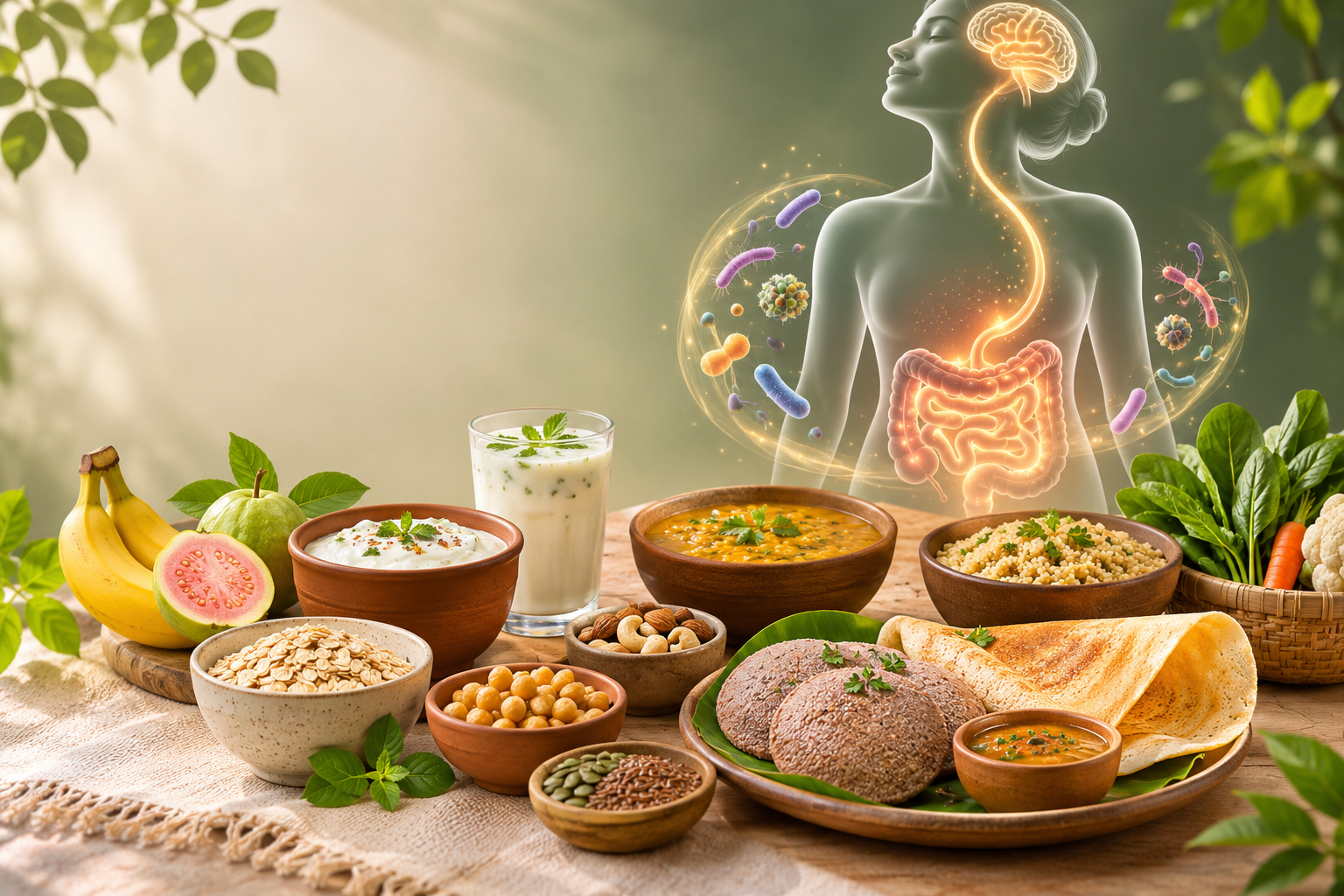
Your large intestine is home to trillions of bacteria and other microbes. Together they're called the gut microbiome, and they do far more than help with digestion.
These microbes break down the fibre your body can't digest on its own. In the process, they produce compounds called short chain fatty acids (such as butyrate). These nourish the cells lining your gut, help keep that lining strong, and play a role in immunity, inflammation and blood sugar control.
Researchers are also studying the gut brain connection: the constant two way communication between your gut and your brain that may influence mood, stress and even food cravings. This science is still growing, but one message is already clear. A well fed, diverse microbiome supports a healthier you.
Why this matters for weight, PCOS and hormones
Growing research links an imbalanced microbiome with insulin resistance, low grade inflammation and weight gain. All three are common in PCOS, thyroid conditions and metabolic health concerns.
This doesn't mean the gut is the only cause. It means caring for your gut is one of the most practical, food first steps you can take alongside everything else in your plan.
Fibre: the food your microbes live on
If you remember one thing from this blog, make it this: your gut bacteria eat what you eat, and their favourite food is fibre.
There are two main types, and you need both:
Soluble fibre forms a gel, slows sugar absorption and keeps you full. Find it in oats, dals, rajma, ragi, isabgol, apples, guava and chia seeds.
Insoluble fibre adds bulk and keeps digestion regular. Find it in vegetables, whole wheat, millets, bran, nuts and seeds.
Most adults benefit from around 25 30 g of fibre a day, and most of us eat far less. India's own Dietary Guidelines for Indians (ICMR NIN, 2024) recommend making at least half your cereals whole grains or minimally polished, pairing cereals with pulses, and eating plenty of vegetables and fruits every day.
Diversity beats any single "superfood"
Different microbes prefer different fibres. A useful goal many gut researchers suggest is around 30 different plant foods a week. That sounds like a lot until you realise vegetables, fruits, dals, millets, nuts, seeds, herbs and spices all count. Your Indian kitchen, with its jeera, haldi, methi, curry leaves, coriander and a different palya every day, gives you a real head start.
Fermented foods: India's original probiotics
Fermented foods contain live, beneficial microbes (probiotics) or the helpful by products of fermentation. A well known 2021 Stanford study found that adults who ate more fermented foods for 10 weeks had a more diverse microbiome and lower markers of inflammation.
You don't need imported kombucha to benefit. Our traditional foods already do the work:
Curd (mosaru) and buttermilk (majjige): a daily source of live cultures
Idli, dosa and dhokla batter: fermentation makes them easier to digest and improves the availability of some nutrients
Ragi ambali: a traditional Karnataka fermented ragi drink, cooling and gut friendly
Kanji: a fermented drink made with black carrot or beetroot
Homemade, brine fermented pickles: in small amounts
A small but honest note: cooking idli or dosa kills most of the live bacteria. They're still a great choice because fermentation has already made them lighter and more nourishing. For live cultures, rely on uncooked options like curd, buttermilk and ambali.
The prebiotic + probiotic pairing
Probiotics are the good bacteria. Prebiotics are the fibres that feed them. Having them together works best:
Curd with a small banana, or raita with onion
Buttermilk alongside a lunch of dal, palya and millet
Ambali with a handful of roasted peanuts
Go slow: the bloating trap
Many people suddenly add lots of fibre, feel bloated, and give up. Your microbiome needs time to adjust.
Increase fibre gradually over 2 3 weeks
Drink enough water, since fibre needs fluid to move well
Chew slowly and avoid eating in a rush
Soak and cook dals well
What quietly harms your gut
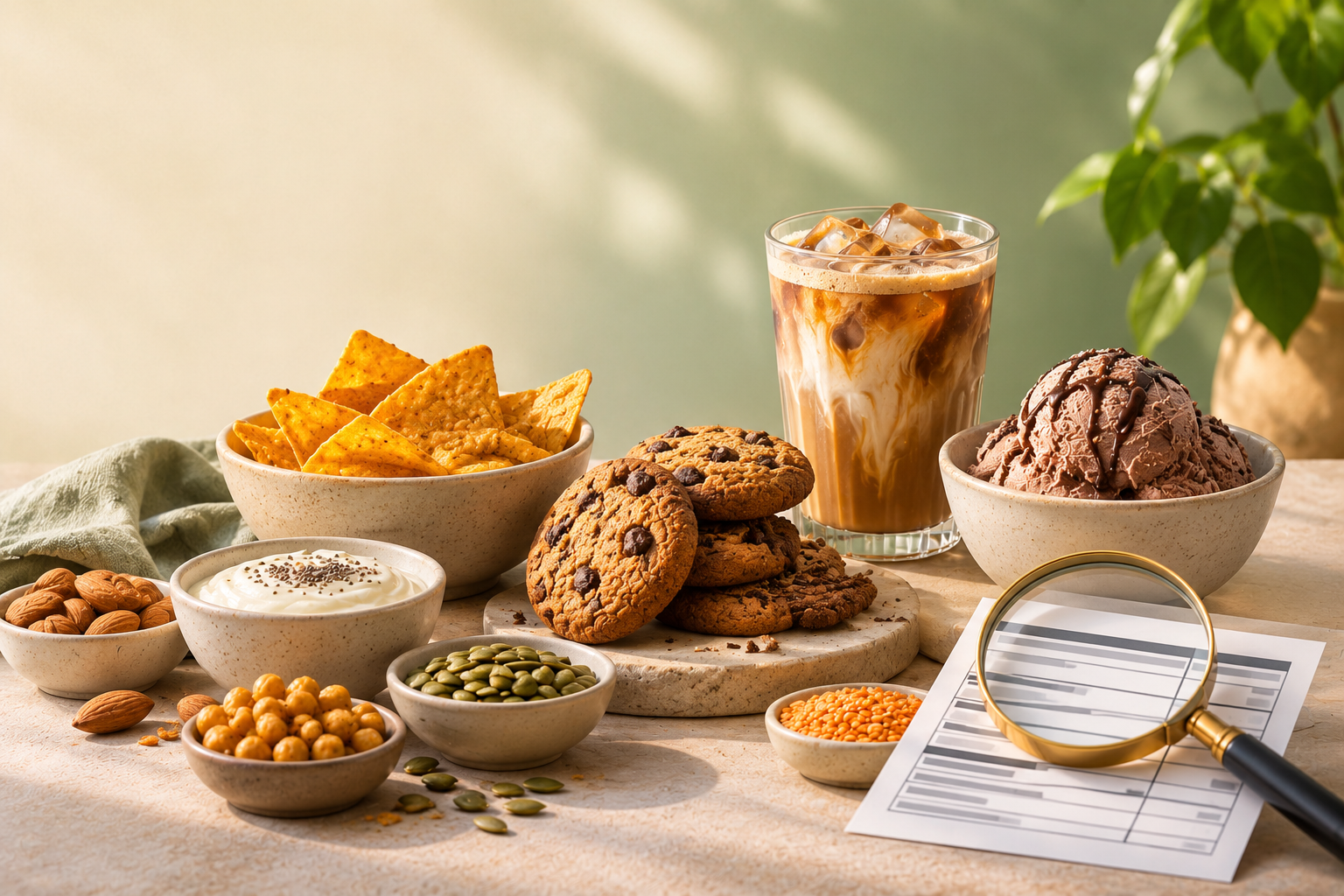
- Ultra processed and packaged foods, which are low in fibre and high in additives
- Excess sugar and refined flour
- Poor sleep and chronic stress
- Irregular meal timings
- Antibiotics taken without need (always take them when your doctor prescribes them)
A gut friendly day on an Indian plate
| Time | What to eat |
|---|---|
| Breakfast | Ragi idli or dosa with sambar and coconut chutney |
| Mid morning | A guava or a seasonal fruit |
| Lunch | Vegetable palya, dal, hand pounded rice or jowar roti, a bowl of curd |
| Evening | Roasted chana with a glass of buttermilk |
| Dinner | Millet and moong dal khichdi with vegetables, plus a small salad |
When to see a doctor
Persistent bloating, pain, blood in your stool, unexplained weight loss, or a sudden change in bowel habits should always be checked by a doctor. Nutrition supports gut health; it doesn't replace medical care.