If you've spent any time online this year, you've heard of them: GLP 1 medicines like semaglutide (Ozempic, Wegovy and now many generic brands) and tirzepatide (Mounjaro).
In India, the conversation has grown even faster since March 2026, when semaglutide's patent expired and generic versions launched at a fraction of the earlier price, some starting at around ₹1,290 a month. Far more people can now access these medicines.
At NutriNest, we don't judge anyone's choice. When prescribed and monitored by a doctor, these medicines can be genuinely helpful for people living with obesity or type 2 diabetes. But there's one thing we want every person on a GLP 1 to know:
What do GLP 1 medicines do?
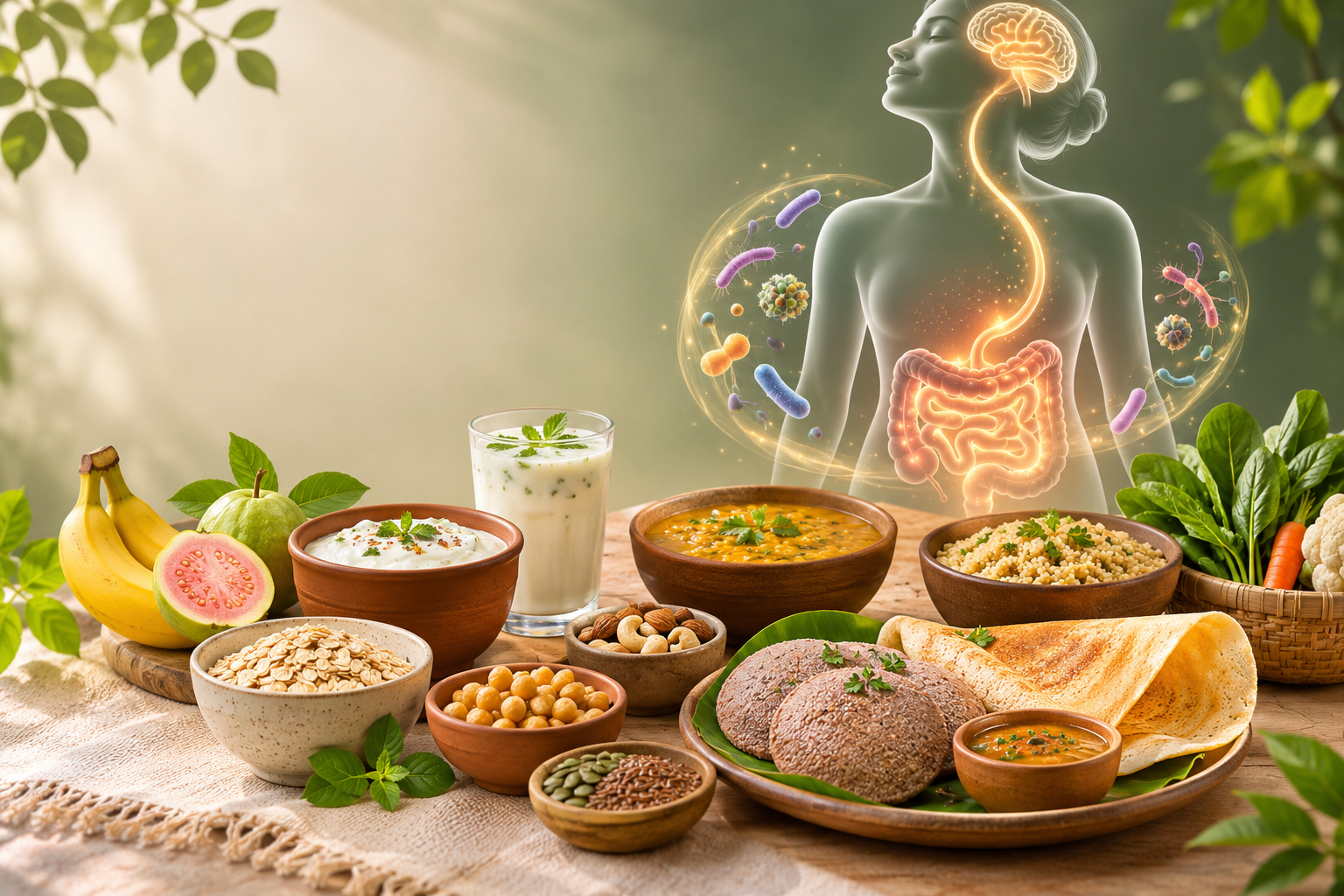
GLP 1 is a hormone your gut naturally releases after you eat. These medicines mimic it. They:
- Slow down how quickly your stomach empties
- Make you feel full sooner and for longer
- Reduce hunger and food "noise"
- Help your body manage blood sugar
The result is that most people eat much less, often without trying.
The hidden challenge: eating less, nourishing less
When your appetite drops sharply, it's easy to under eat the things your body needs most. Without guidance, people on GLP 1 medicines can experience:
- Muscle loss, not just fat loss
- Low protein intake
- Nutrient gaps in iron, calcium, vitamin B12, vitamin D and fibre
- Fatigue, hair fall and weakness
- Constipation, nausea or acidity
In 2025, four leading medical and nutrition organisations in the US (the American College of Lifestyle Medicine, the American Society for Nutrition, the Obesity Medicine Association and The Obesity Society) published a joint advisory on exactly this. Their message: GLP 1 therapy works best alongside structured nutrition, enough protein, strength training and regular monitoring for deficiencies.
Seven nutrition priorities while on a GLP 1
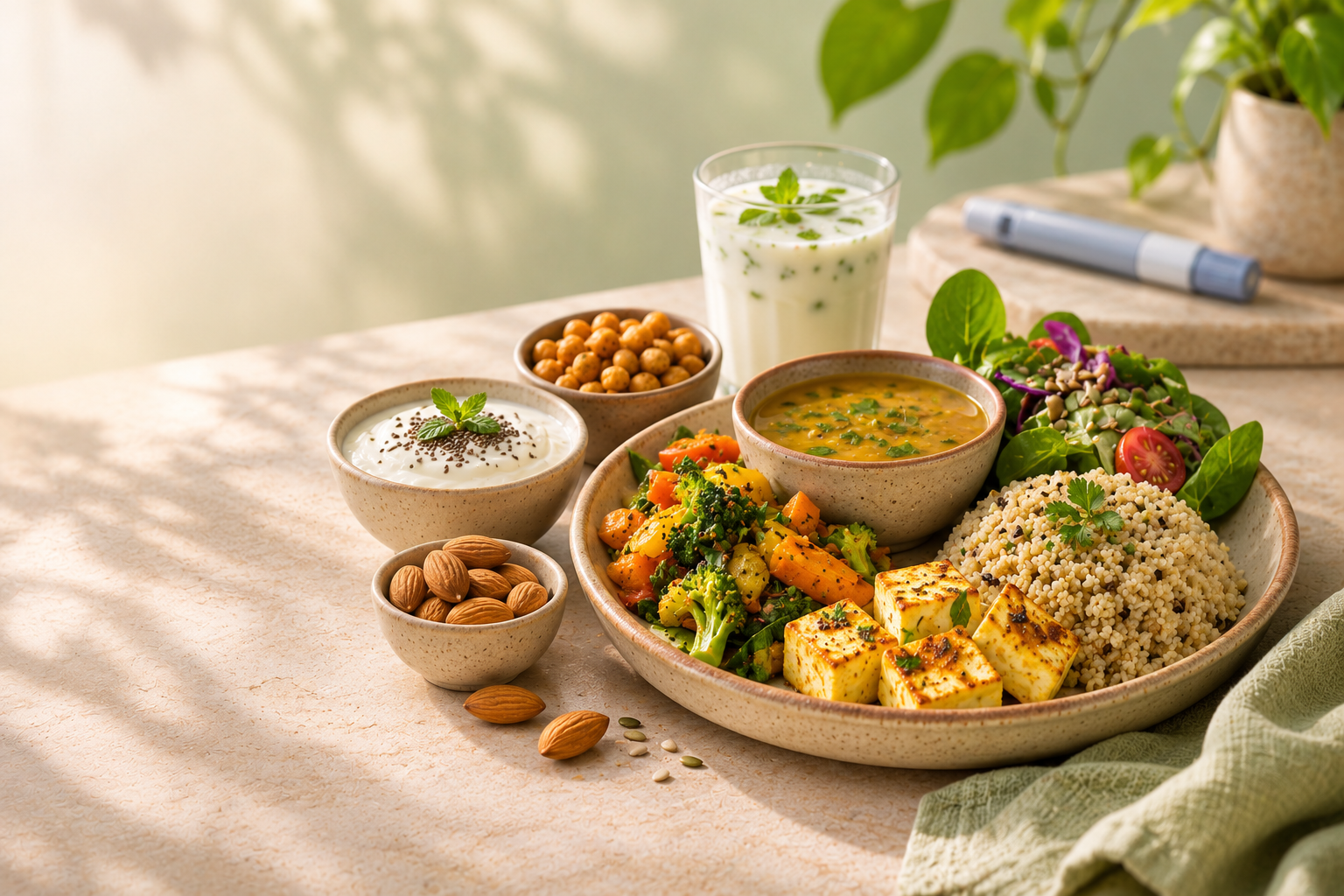
- 1. Protein first, at every meal: When you can only eat a little, make protein the first thing on your plate: dal, curd, paneer, tofu, eggs, fish or chicken. Your nutritionist can set a daily target based on your body and goals.
- 2. Strength training, 2 3 times a week: Food alone can't protect your muscle. Resistance exercise, such as bodyweight workouts, bands or weights, tells your body to keep it.
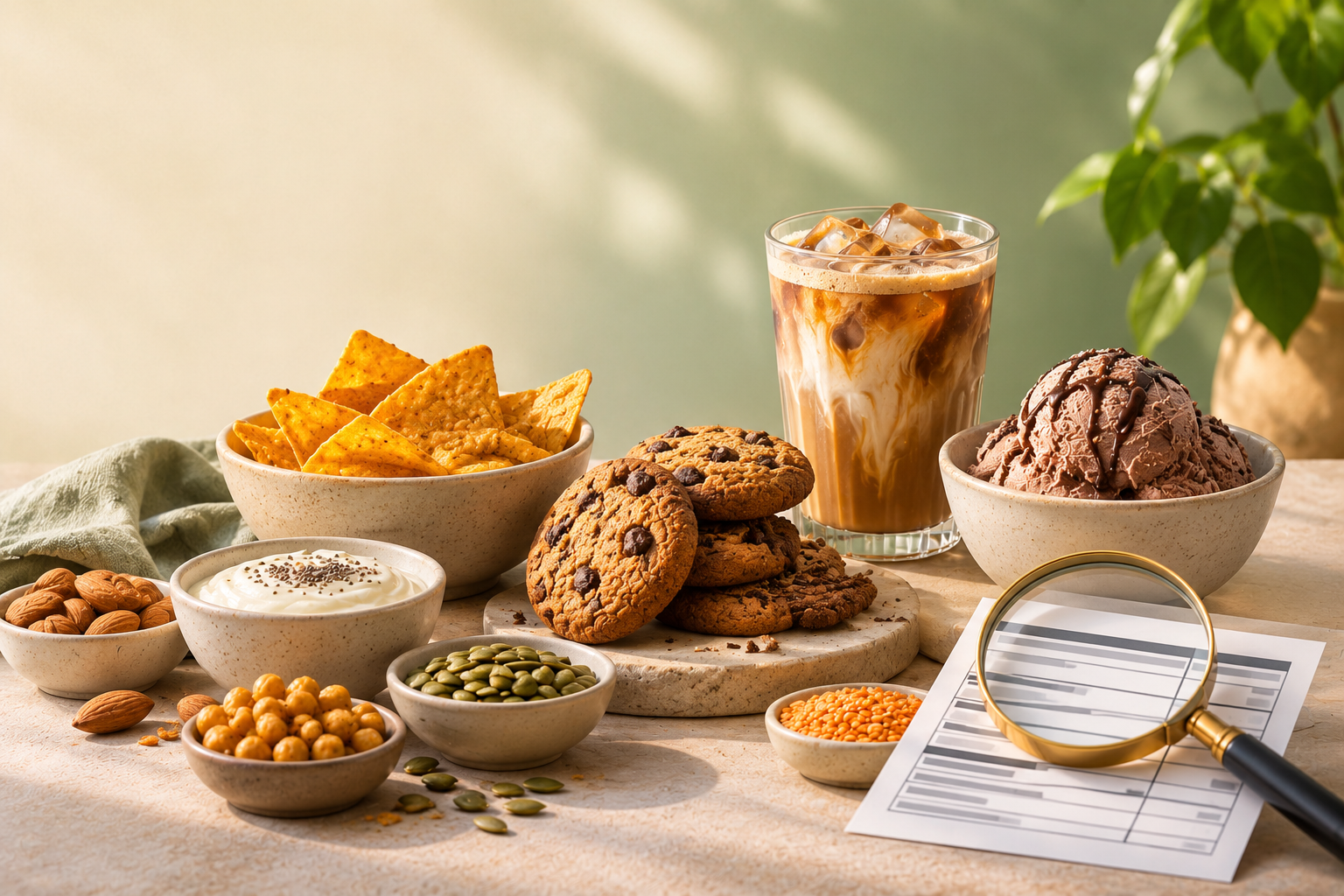
- 3. Make every bite count: Choose nutrient dense, minimally processed foods: colourful vegetables, greens, dals, millets, curd, nuts and seeds. There's little room for empty calories when portions are small.
- 4. Fibre and fluids for comfortable digestion: Constipation is a common side effect. Add fibre gradually through vegetables, fruits, dals and millets, and pair it with enough water.
- 5. Eat small, slow and simple when you feel nauseous: Have smaller meals, eat slowly, and stop at comfortably satisfied. Fried, very spicy or heavy, greasy foods often make nausea worse.
- 6. Hydrate on purpose: Thirst can drop along with appetite. Keep water, buttermilk, coconut water and nimbu pani within reach through the day.
- 7. Check your blood work: Ask your doctor about periodic tests such as vitamin B12, vitamin D, iron, HbA1c and others relevant to you. Catching gaps early prevents bigger problems.
Plan for the long term
Research shows that when people stop GLP 1 medicines, much of the lost weight often returns, especially if habits haven't changed. That's why the time you spend on the medicine is the best time to build habits that last: balanced plates, regular movement, good sleep and mindful eating.
Think of the medicine as support. The habits are what stay with you.
A gentle, nourishing day on a GLP 1
| Time | Small portion ideas |
|---|---|
| Breakfast | Two egg whites with one whole egg, or a moong dal chilla, with a few vegetables |
| Mid morning | A small bowl of curd with chia seeds |
| Lunch | A small katori of dal or paneer first, then vegetable palya, then a little millet or rice |
| Evening | Buttermilk with a few roasted chana or almonds |
| Dinner | Soft fish curry or tofu with vegetables, or a light moong dal khichdi |
A word of caution
GLP 1 medicines should only be started, adjusted or stopped under a doctor's supervision. Avoid buying them from unregulated online sources, and don't use them without a prescription. This blog is for education and isn't a substitute for medical advice.